The Erectile Dysfunction Myth: Why ED Is Often Psychological—Even After 60
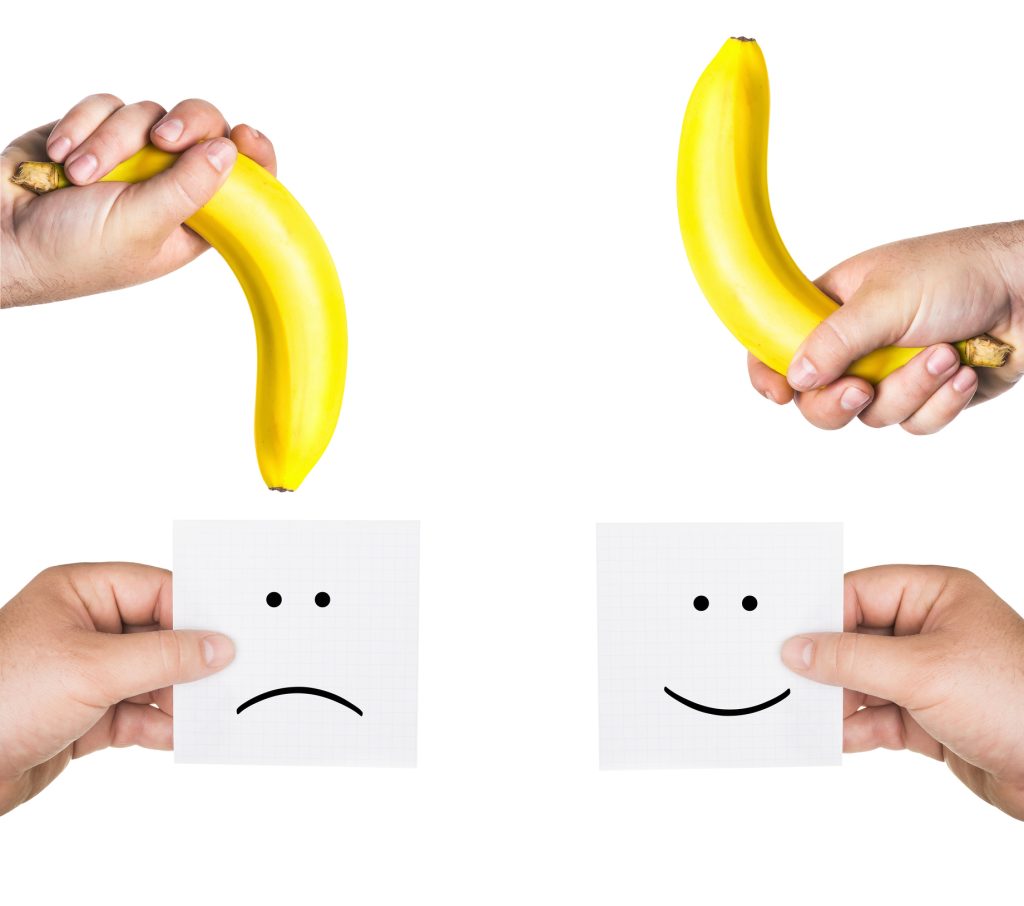
Erectile dysfunction is one of the most misunderstood—and least talked about—issues impacting intimacy in long-term relationships.
For many couples in their 50s and 60s, ED becomes a silent presence in the bedroom.
Sex becomes tense.
Touch becomes cautious.
Desire slowly fades—not because love is gone, but because fear has taken its place.
The prevailing belief sounds logical, even comforting:
Myth: Erectile dysfunction is inevitable with age and primarily physical.
The reality is far more nuanced—and far more hopeful.
What the Research Actually Shows About Erectile Dysfunction
A comprehensive review published in Sexual Medicine Reviews found that up to 70% of erectile dysfunction cases in men under 40 are psychogenic, meaning they are primarily driven by psychological and emotional factors rather than structural or vascular problems (Sansone et al., 2023).
But what’s often missed is this: Psychological and relational factors continue to play a major role in erectile dysfunction well into a man’s 50s, 60s, and beyond.
Even as physical changes occur with aging, they are rarely the sole cause of ED.
Erectile Dysfunction in Men Over 60: What the Research Really Says
Yes, aging can bring physiological changes that affect erections, including:
- reduced vascular elasticity
- changes in testosterone levels
- medication side effects
- chronic health conditions
However, modern sexual medicine increasingly describes ED in older men as “mixed etiology”—a combination of physical and psychological factors.
Here’s the key finding that aligns so strongly with what you see in your work:
Psychological and relational factors often determine whether mild physical changes become a persistent erectile problem.
Studies show that many men in their 60s:
- can still achieve erections in relaxed, low-pressure settings
- struggle most when sex feels evaluative, rushed, or emotionally charged
- experience situational ED rather than complete erectile loss
This pattern strongly indicates nervous-system activation and performance anxiety, not irreversible physical dysfunction.
Why Erectile Dysfunction Is Often Still Psychological in Older Men
As men age, erections become more context-sensitive, not less possible.
In long-term relationships especially, ED is often linked to:
- fear of disappointing a long-term partner
- unresolved emotional distance or resentment
- pressure to “perform like before”
- anxiety after one or two difficult sexual experiences
- grief around aging and changing identity
Once anxiety enters the sexual space, the sympathetic nervous system activates—making erections less likely, regardless of blood flow.
In other words: The body hasn’t failed. The nervous system is protecting.
The Hidden Cost of Erectile Dysfunction on Long-Term Intimacy
Erectile dysfunction rarely stays contained to the penis.
In long-term relationships, ED often leads to:
- reduced initiation of sex
- avoidance of touch altogether
- emotional withdrawal
- loss of erotic playfulness
- partners silently blaming themselves
Women may feel undesired or unattractive.
Men may feel ashamed, inadequate, or defeated.
Over time, couples stop seeing each other as erotic partners—not because desire is gone, but because sex has become emotionally unsafe.
Why Treating ED as “Just Physical” Can Make Things Worse
When erectile dysfunction is treated solely as a mechanical problem—often with medication—it can bypass the deeper drivers of intimacy breakdown.
Research on sexual fulfillment consistently shows that emotional connection, communication, and safety are among the strongest predictors of arousal and satisfaction for both partners (Jordan et al., 2024).
In my work with couples in their 50s and 60s, erections often improve not because we chase performance, but because we:
- reduce pressure
- expand definitions of intimacy
- restore emotional closeness
- normalize changing bodies
- focus on pleasure rather than outcome
Erection is not the requirement for intimacy.
Intimacy is often the pathway back to erection.
Masculinity, Shame, and Performance Anxiety—At Any Age
A 2024 study in the Journal of Men’s Health found that men across age groups experience significant sexual anxiety, body shame, and emotional suppression tied to masculinity norms (Lowe et al., 2024).
Men are rarely given language for sexual vulnerability.
When erections change, many interpret it as a loss of identity—not just sexual function.
This internal pressure keeps the nervous system locked in stress, reinforcing erectile difficulties.
What Actually Helps Erectile Dysfunction in Long-Term Relationships
Research and clinical experience point to the same solutions—regardless of age:
- open, shame-free sexual communication
- removing penetration as the “goal”
- pleasure-focused intimacy
- affectionate, non-demand touch
- emotional repair and reconnection
- nervous system regulation
Couples who shift from performance-based sex to connection-based intimacy often experience renewed desire—and frequently, more reliable erections.
Want to Go Deeper?
I explore erectile dysfunction, aging, and intimacy repair in depth in my upcoming book,
The Sex & Intimacy Repair Kit: How to Enhance Communication and Create a Lifetime of Passionate Intimacy (publishing March 2026).
This work is also central to my Passionate Intimacy Retreats, where couples—many in their 50s and 60s—learn how to rebuild trust, desire, and pleasure without pressure or shame.
The Bottom Line
Erectile dysfunction is rarely just a physical problem—even in men over 60.
It is often a message from the nervous system, the emotional body, or the relationship itself.
When couples stop treating ED as a failure and start treating it as an invitation to deeper connection, intimacy becomes possible again.
And from that place, desire often returns—at any age.