The Female Orgasm Myth That Leaves Couples Frustrated — and How to Break It

For generations, women have been taught that “real sex” equals penetration and that orgasms are supposed to happen during vaginal intercourse. It’s no wonder so many women quietly search why women don’t orgasm from penetration and think they’re the only ones struggling.
Short answer: nothing is wrong with you.
In fact, one of the most persistent and damaging female orgasm myths is the belief that vaginal intercourse should reliably create orgasm for most women. The research says otherwise. Loudly.
What the Research Actually Shows
A 2023 study published in Neurourology & Urodynamics found that 75–90% of women require clitoral stimulation to orgasm—and that vaginal penetration alone often doesn’t produce enough internal or external stimulation to activate the clitoral network (O’Connell et al., 2023).
Let’s just pause for a moment: Seventy-five to ninety percent.
That means the “standard script” most couples are following is fundamentally mismatched to female sexual anatomy and pleasure pathways.
Reality: The clitoris—not the vagina—is the primary orgasmic center for most women.
So if you’ve ever felt ashamed, broken, or confused because intercourse wasn’t doing it for you, you’re not alone—and you’re certainly not abnormal.
Why So Many Women Think Something Is “Wrong”
Women have been socialized through popular culture to believe that they are also supposed to orgasm during penetration, just like men do. The proverbial, “fireworks going off during sex” that we see on movies has done a huge disservice to women’s sexuality.
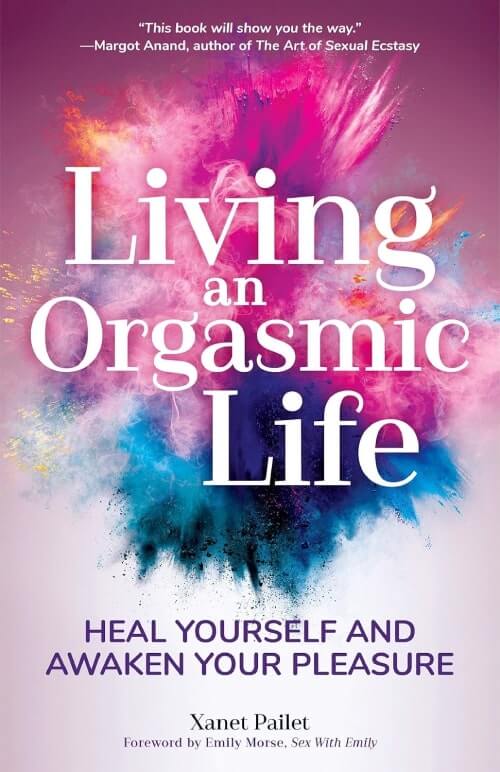
But as I discuss in my first book, Living an Orgasmic Life, these rigid expectations about intercourse create pressure, not pleasure. They often shut down arousal and intimacy—especially when women believe they should achieve an orgasm a certain way.
This is where so many couples get stuck: focusing on performance instead of sexual fulfillment.
The latest studies (Jordan et al., 2024) show that emotional connection, communication, and pleasure-focused sex are far more reliable predictors of orgasm and satisfaction than what kind of stimulation “counts.”
The Real Anatomy Behind Female Pleasure
One of the reasons vaginal vs clitoral orgasm confusion persists is because most people never learned the truth about clitoral structure. The clitoris is not just the external glans—it’s an internal organ with bulbs and crura that wrap around the vaginal canal.
And depending on:
- the angle of penetration
- pelvic floor tension
- depth
- arousal level
- emotional safety
…the clitoral network may or may not receive enough pressure or indirect stimulation to produce orgasm.
This is anatomy, not dysfunction.
In many of my couples retreats, I see women carry what I call “intra-vaginal armor”—tension, guarding, or numbness. This can make internal sensation less accessible, reinforcing the belief that they “can’t orgasm the right way.”
But the truth is simple: most women need clitoral stimulation to orgasm, and that is not only normal—it’s expected.
What This Means for Couples
Here’s the liberating part for anyone who’s ever felt stuck in the intercourse myth:
There is no one “right” way to orgasm.
Penetration isn’t the gold standard of sex.
Pleasure expands far beyond one sexual script.
Couples who shift from intercourse-focused sex to pleasure-focused sex often report:
- higher sexual satisfaction
- more reliable orgasms (especially for women)
- better communication
- reduced pressure and performance anxiety
- a deeper sense of emotional connection
The research on sexual communication in couples (Prause et al., 2024) aligns perfectly with what I witness at my Passionate Intimacy Retreats: when partners talk openly about what feels good—manual stimulation, oral sex, vibrators, clitoral touch—their sex life becomes richer, more playful, and more connected.
And yes, people orgasm more often.
Want to Go Deeper? (Yes, I Said It)
I dive into this myth—and nine others—in my upcoming book, The Sex & Intimacy Repair Kit: How to Enhance Communication and Create a Lifetime of Passionate Intimacy (publishing March 2026), where I help couples create safety, trust, and pleasure-based intimacy.
You may also like my related post on other orgasm myths.
The Bottom Line
If you don’t orgasm from intercourse alone, you’re not broken.
You’re human. Your body is beautifully designed.
And the more we unlearn harmful myths about female pleasure, the more space couples have for curiosity, confidence, and deep sexual fulfillment.