Sexless Marriage or Dead Bedroom? What’s Really Going On—and How to Rebuild Intimacy
A deeper experiential approach to rebuilding safety, connection and desire in long term relationships.
Trusted by hundreds of couples over the past 15+ years
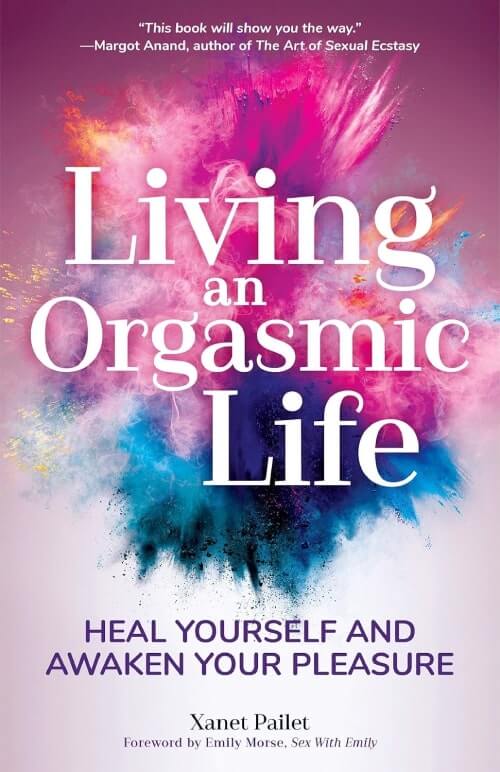
Xanet's new book is now available! The Sex & Intimacy Repair Kit — Click here to order your copy

A deeper experiential approach to rebuilding safety, connection and desire in long term relationships.
Trusted by hundreds of couples over the past 15+ years
Sexual challenges in a relationship are rarely about sex.
They’re a reflection of emotional disconnection, lack of safety, and unresolved tension that builds over time.
Most advice focuses on communication.
And while that matters, it often misses what’s happening underneath.
A deeper, experiential process to rebuild emotional connection, restore safety, and reawaken desire.
This is the work I’ve been guiding couples through for over 15 years.
For many couples it’s not a lack of desire but that the conditions that support desire have changed over time.
When that foundation weakens… desire fades.
Most advice around sexless marriages focuses on fixing what’s happening on the surface:
While these can play a role, they often miss what’s actually driving the disconnect.
Because when emotional safety and connection break down, desire doesn’t come back just because you talk about it.
This is why so many couples feel stuck.
They’ve had the conversations.
They understand what’s wrong.
But nothing actually changes.
A “sexless marriage” is often defined as having sex fewer than 10 times per year.
But in my experience, the real issue isn’t the number—it’s the loss of emotional connection, safety and desire between partners.
More often, it reflects a breakdown in:
What looks like a sexual problem is almost always an emotional and relational one first.
Most approaches to intimacy issues focus on communication.
And while communication matters— it’s not enough.
You can’t talk your way into better sex and intimacy—you have to feel your way into it.
Desire doesn’t come from understanding—it comes from experience.
From safety.
From connection.
From how you feel with each other.
This is why many couples feel stuck.
They’ve had the conversations—over and over again.
They understand what’s wrong.
But the experience between them doesn’t change.
An experiential process to rebuild connection, restore safety, and reawaken desire
This isn’t about surface-level change—it’s about creating real shifts in a short period of time.
Rebuilding intimacy isn’t about forcing change.
It’s about creating the conditions where connection and desire can return—naturally.
This happens through experience, not just conversation.
This is the path back.
Rebuilding Emotional Safety
Creating a foundation where both partners feel seen, heard, and secure.
Reconnection
Shifting out of surface-level communication and beginning to truly feel each other again.
Reawakening Desire
Gently reintroducing touch, intimacy, and erotic energy—without pressure or expectation.
Creating a Sustainable Intimate Relationship
Building a relationship where emotional connection and sexual intimacy continue to evolve over time.
Yes—but not by focusing on sex alone.
When emotional connection and safety are rebuilt desire often returns naturally. The issue is rarely just physical—it’s about what’s happening beneath the surface of the relationship.
A “sexless marriage” is often defined as having sex fewer than 10 times a year.
But in reality, it’s rarely just about frequency. It’s usually a reflection about disconnection—when intimacy, touch, and desire feel absent or strained.
Most often, it’s not about libido.
Emotional disconnection, unresolved conflict, and a lack of safety gradually erode the foundation that supports intimacy. Over time desire fades—not because the love is gone, but because the connection has weakened.
Yes—it’s very common in long-term relationships, especially during periods of stress or disconnection.
But it doesn’t have to stay that way. With the right kind of support, couples can feel close, intimate, and alive with each other again.
Yes.
When emotional connection is rebuilt and pressure is removed, desire can return—even after long periods without intimacy. What matters is creating the conditions where it can emerge naturally, rather than trying to force it.
Sexless or low-sex marriages are more common than most people think, particularly in long-term relationships. The good news is that with the right support, many couples are able to rebuild both emotional and physical connection.

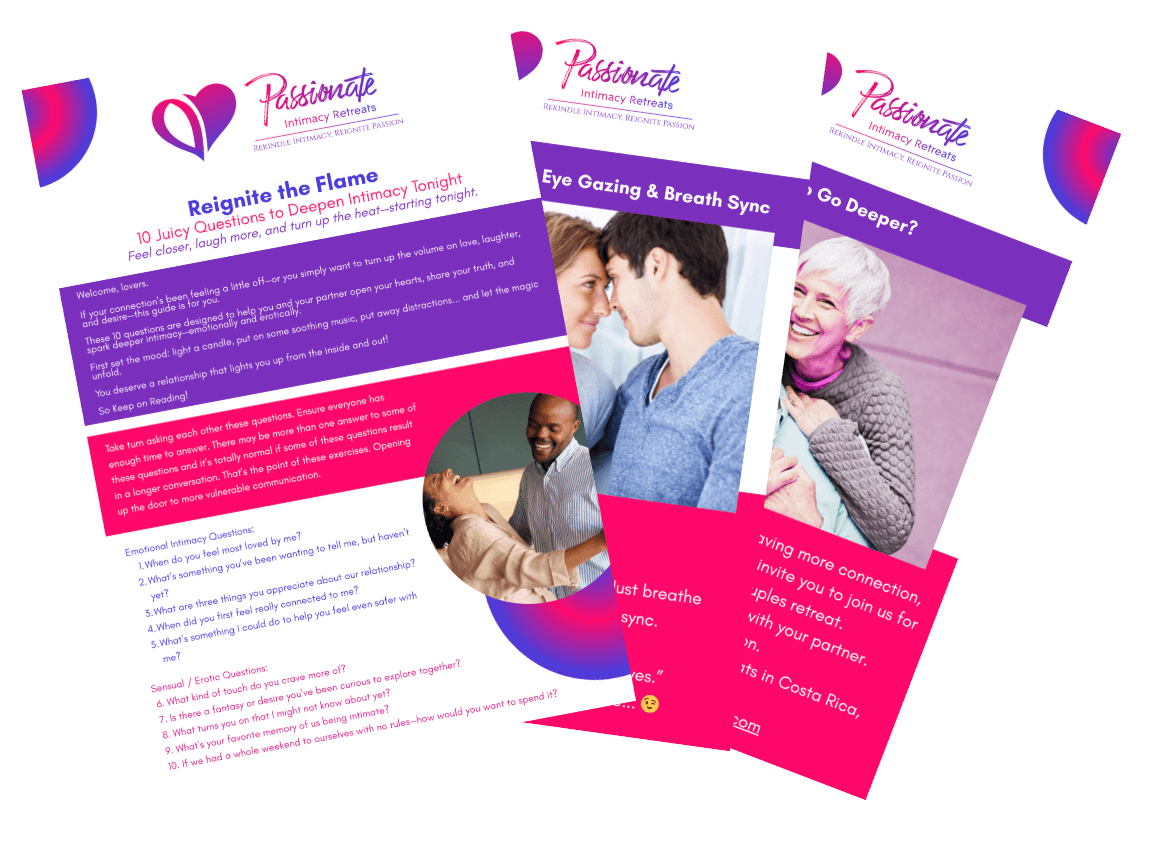
A powerful starting point to understand why intimacy breaks down—and what it actually takes to rebuild connection and desire.

A structured, step-by-step process to reconnect, repair, and begin creating lasting change—with support along the way.

An immersive, experiential environment designed to help you reconnect quickly and create meaningful, lasting shifts in your relationship.
For over 15 years, Xanet Pailet has helped hundreds of couples rebuild emotional connection, restore intimacy, and create lasting change in their relationships.
“If you’re in a sexless or unsatisfying relationship, Xanet Pailet can help you”
—Joan Price, Best selling author Naked at Our Age
Xanet’s work has been featured and referenced in conversations, articles, and podcasts exploring emotional connection, desire, and long-term intimacy.






Xanet shares why sleeping in separate bedrooms doesn’t necessarily signal relationship trouble — and how emotional connection, intentional intimacy, and nervous system safety matter more than where couples sleep.
Xanet shares how stepping outside of everyday routines can reduce stress, increase presence, and naturally reignite connection and desire between partners.

Xanet shares expert insight on the importance of slowing down in midlife dating and looking beyond chemistry alone. She explores how emotional safety, authenticity, and genuine connection are essential foundations for lasting intimacy and healthy relationships. She advises recognizing red flags, maintaining financial boundaries, and ensuring physical safety.

Xanet, with 15 years of experience, argues AI sex robots reflect a lack of true intimacy. She believes these robots promote avoidant behavior, offering pleasure without vulnerability. Xanet says, “True intimacy with an AI robot is not possible since intimacy requires vulnerability and emotional connection.”
A conversation exploring why sexless marriages happen and what it actually takes to rebuild connection and intimacy.
Exploring emotional safety, sexual disconnection, and how couples reconnect through experience.
A data-backed look at why emotional disconnection—not lack of desire—is often at the root of intimacy challenges in long-term relationships.
An exploration of how avoiding emotional conversations creates distance over time—and why rebuilding intimacy starts with feeling safe enough to reconnect.